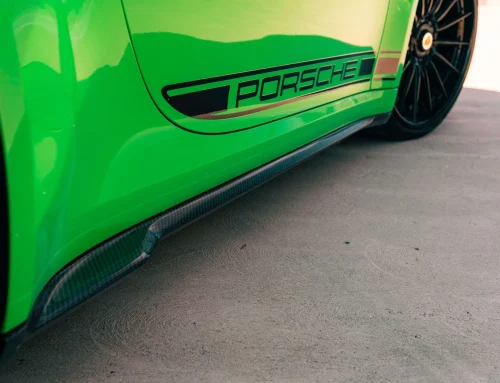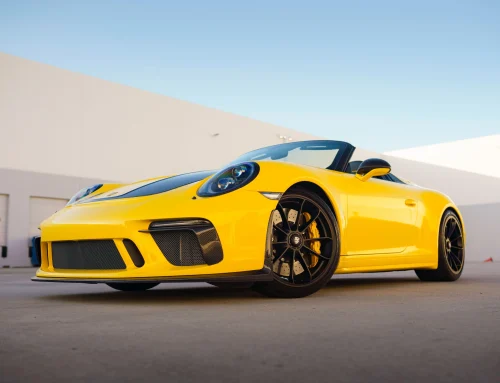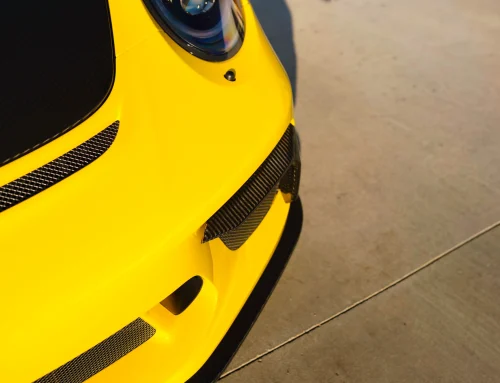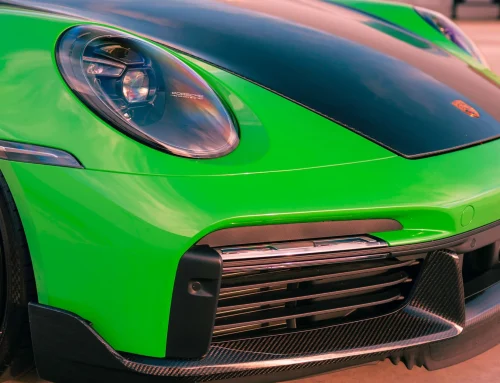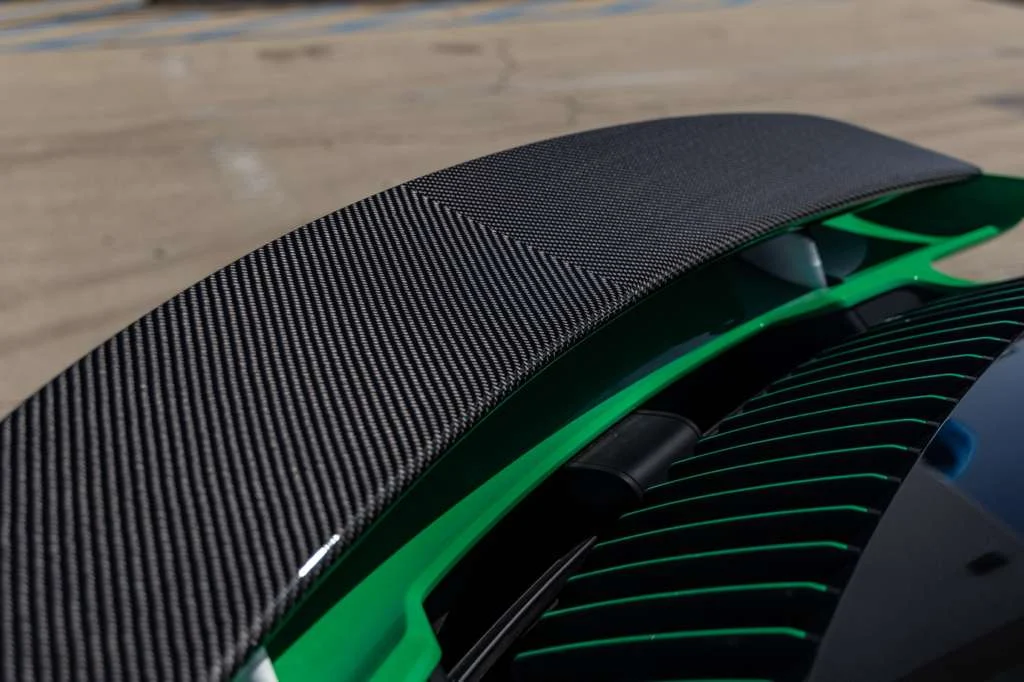
For the dedicated Porsche purist, customization is not merely a matter of selecting aftermarket components; it is an exercise in meticulous design synchronization. The modern 911– whether a 992 GT3, an earth-scorching Turbo S, or a rare 991.2 Speedster – is a masterclass in cohesive automotive architecture. Every body line, radiator mesh configuration, and interior stitch spacing has been deliberately calculated by designers in Stuttgart.
Yet, when owners attempt to elevate their vehicle’s road presence with bespoke aerodynamic enhancements, they frequently run into a frustrating visual roadblock: weave mismatch.
Imagine investing thousands of dollars in a beautifully sculpted aftermarket rear diffuser or a custom front splitter, only to pull your car into the sunlight and discover that the carbon weave pattern clashes directly with your factory-installed carbon fiber roof, wing elements, or side mirror housings. Instead of achieving a clean, unified aesthetic, the vehicle looks fragmented as a collection of mismatched parts rather than a single, fluid machine.
To execute a flawless OEM+ exterior transformation, you must look beyond the mere shape of a component and master the material science behind it. Understanding the difference between classic 2×2 Twill and exotic Symmetrical V-Weave composite architectures is the key to creating a build that looks like an elite, factory-commissioned special edition.
The Anatomy of a Perfect Composite Alignment: Why Weave Direction Matters
To understand why aftermarket carbon combinations frequently fail visually, it helps to understand how carbon fiber fabric is manufactured and prepared.
Raw carbon fiber is not a solid sheet; it is a textile. It begins as individual microscopic filaments of carbon atoms, which are bundled together into strands called tows. These tows are classified by the number of filaments they contain. For example, a “3K” tow contains 3,000 filaments, while a “6K” tow contains 6,000 filaments. These bundles are then woven together on complex industrial looms using vertical threads (the warp) and horizontal threads (the weft).
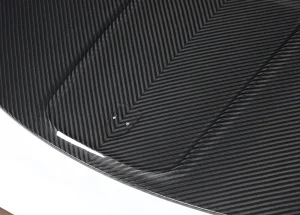
When an artisan lays this fabric into a mold to create an aerodynamic panel, the angle of the weave dictates how the finished part reflects light. Carbon fiber is highly anisotropic, meaning its visual appearance changes depending on the angle of the light source and the position of the observer.
The Risk of Directional Clashing
This anisotropy introduces the major risk of directional clashing. In standard weave configurations, the diagonal lines of the fabric run either upward to the right (Right-Hand Twill, or RHT) or upward to the left (Left-Hand Twill, or LHT). If you install an LHT carbon wing element directly adjacent to a factory RHT roof panel, the two surfaces will reflect sunlight in opposite directions. One panel will appear bright silver-gray while the other looks dark charcoal, instantly revealing a lack of structural symmetry.
Achieving true weave synchronization requires meticulous tracking of the cloth’s orientation during the pre-preg lay-up process, ensuring the structural grain flows continuously across every panel of the chassis.
2X2 Twill: The Undisputed King of Porsche Factory Styling
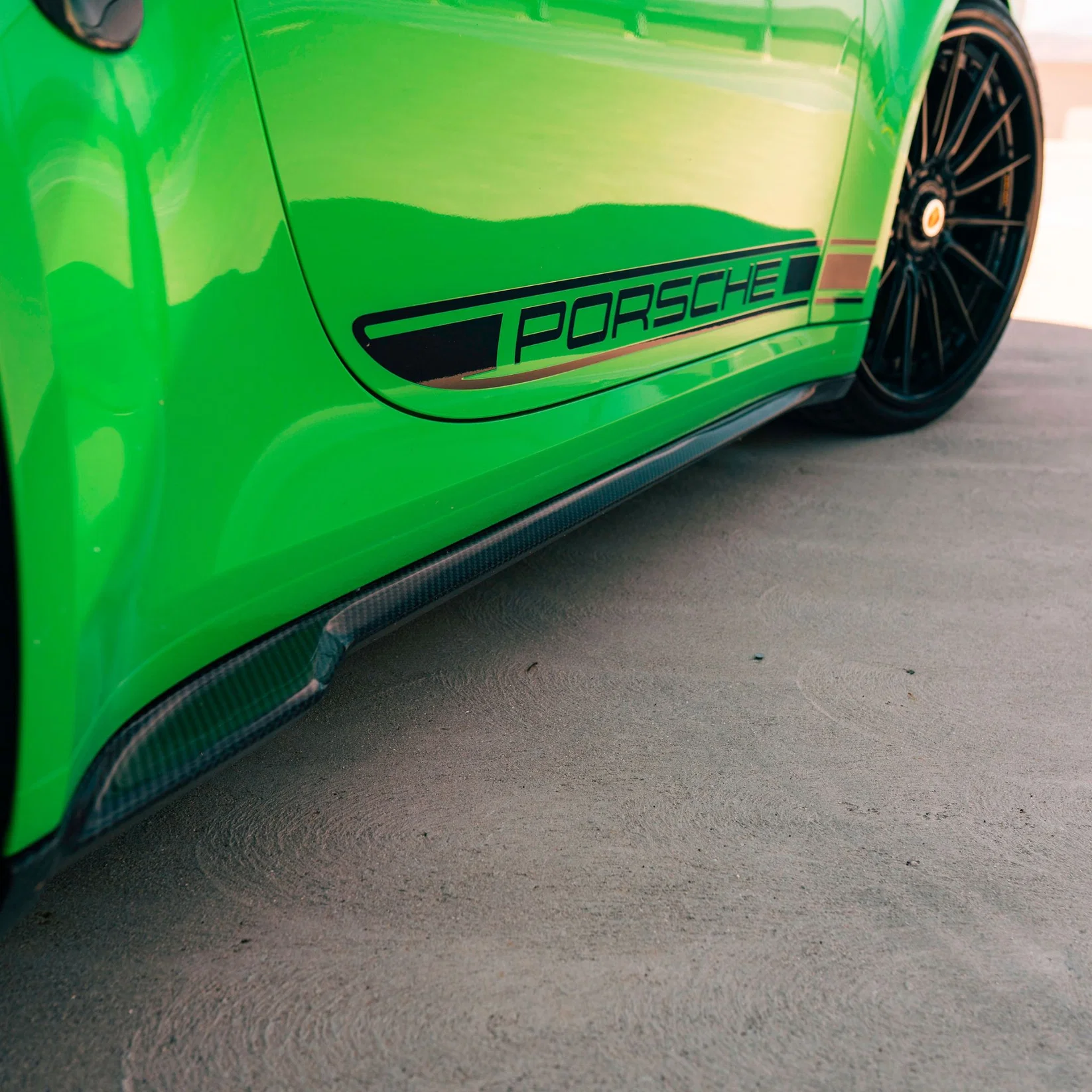
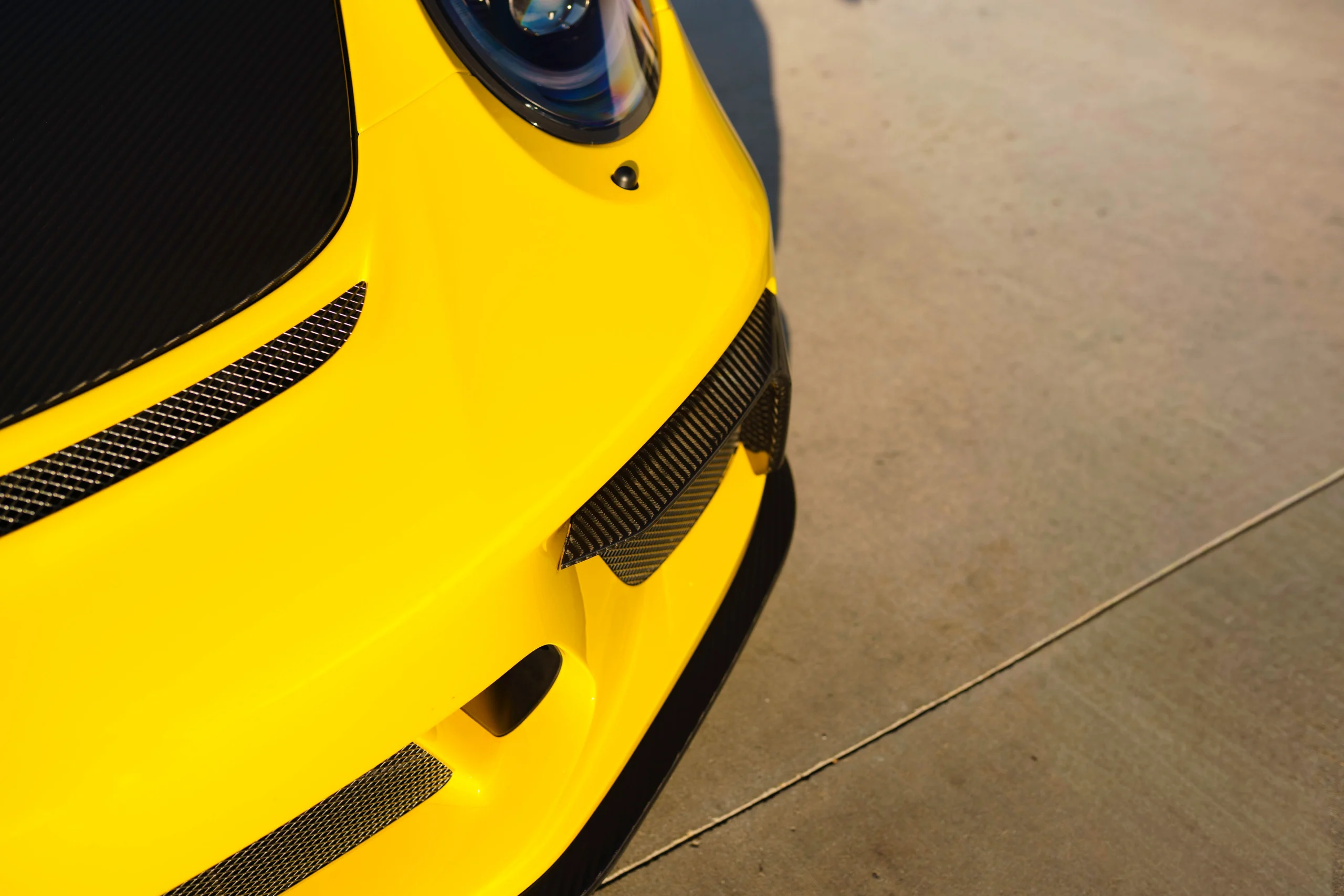
If you examine any modern Porsche featuring a factory-installed Weissach Package or custom options from the Porsche Exclusive Manufaktur division, you will find a consistent material foundation: 2×2 Twill Weave.
The term “2×2” refers to the mechanical pattern of the loom: each warp thread floats over two intersecting weft threads, then slips under the next two. With each consecutive row, this intersection shifts by one thread. This staggered crossover creates the classic, 45-degree diagonal pattern that has defined top-tier motorsport composites for decades.
The Benefits of 2×2 Twill
There are two primary reasons why Porsche engineers rely so heavily on 2×2 twill:
- High Conformability: Because the over-two, under-two structure is looser than a standard plain over-under weave, the cloth is incredibly pliable. This allows composite technicians to press the fabric deep into complex, tight-radii molds – such as the intricate inner curves of a 911 side mirror housing or the sharp, recessed air channels of a front bumper intake, without causing the threads to stretch, bunch, or distort.
- Understated Motorsport Legacy: The 45-degree diagonal lines provide an unmistakable technical look that signals lightweight performance without demanding undue attention.
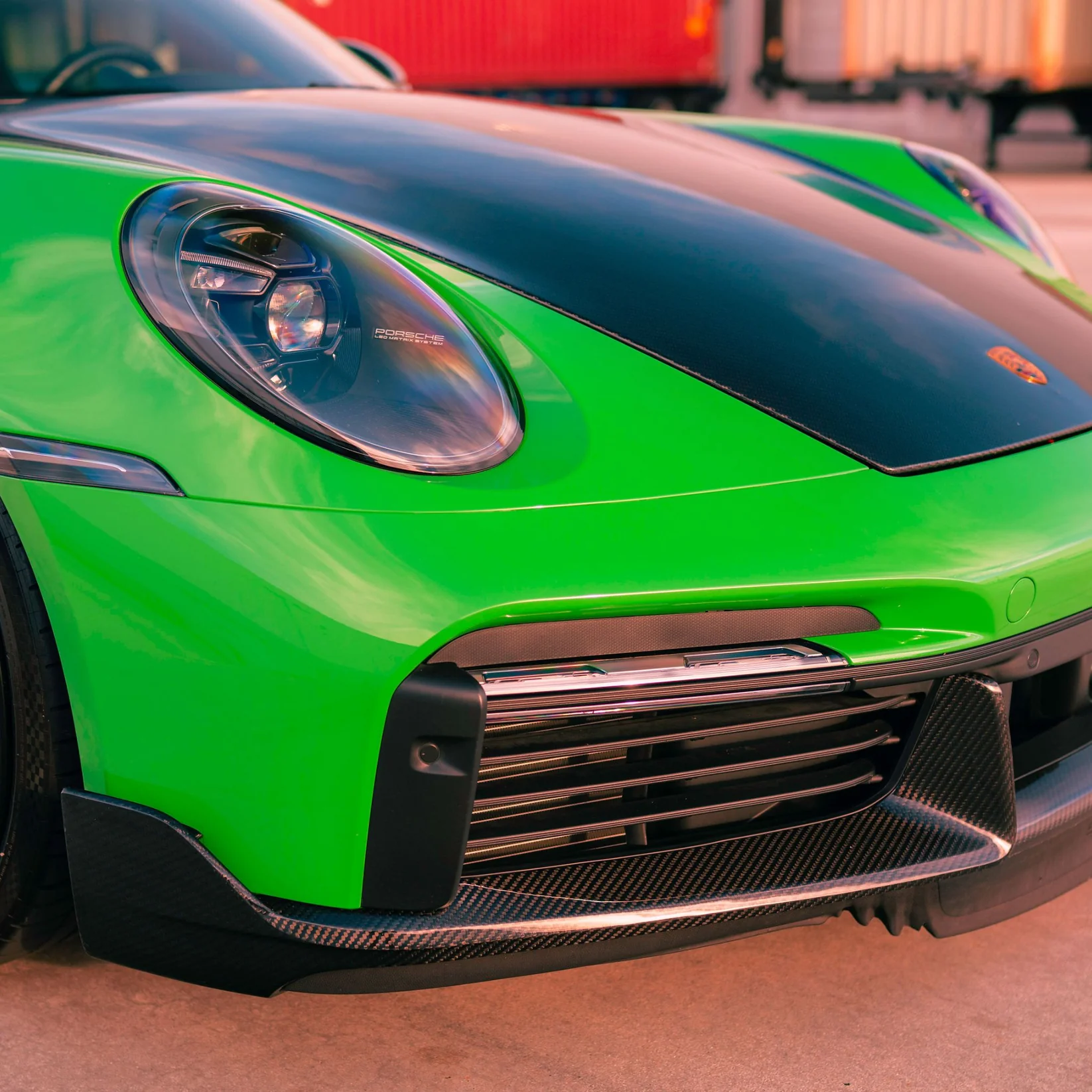
For the collector whose primary objective is seamless cohesion, 2×2 twill is the mandatory choice. It allows you to introduce front spoilers, side skirts, and rear diffusers that blend directly with factory carbon trim, maintaining a clean layout that looks entirely stock to the untrained eye, yet heavily enhanced to the enthusiast.
The V-Weave (Chevron): Elevating Aero to Hypercar Coachbuilding
While 2×2 twill represents the apex of factory-correct styling, the Symmetrical V-Weave (frequently referred to as a Chevron or Herringbone pattern) moves beyond standard production specifications into the realm of ultra-exclusive coachbuilding.
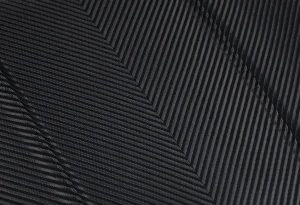
A V-weave panel is not created by a single sheet of running fabric. Instead, it requires an incredibly labor-intensive technique known as book-matching – a process borrowed from elite wooden instrument making and luxury marble installation.
To build a V-weave panel, an artisan takes two separate sheets of pre-preg carbon fiber – one woven in a Right-Hand Twill and the other in a Left-Hand Twill. The sheets are meticulously cut and hand-aligned down the exact centerline of the mold. When the two opposing diagonals join at the spine, they form a perfect, continuous series of chevrons that point along the central axis of the vehicle.
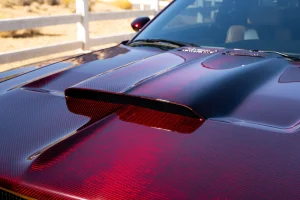
This configuration creates an exceptional visual horizon, making it the ultimate choice for large, expansive panels. When applied to a front hood, an engine decklid, or a striking rear ducktail spoiler, the V-weave acts as a visual funnel, pulling the eye toward the center of the car and emphasizing its muscular, wide-track proportions.
Because of the unforgiving nature of the center seam – where a variance of even a single millimeter will ruin the illusion of symmetry – the V-weave is the definitive signature of multimillion-dollar boutique hypercars (Bugatti, Battista, Pagani). Introducing this level of craftsmanship to a 992 or 991.2 platform instantly elevates the car’s presence in any high-end paddock or collection.
Technical Breakdown: Comparing 3K vs. 6K Fiber Bundles
Beyond the direction of the pattern, the physical scale of the weave heavily dictates how an aerodynamic upgrade looks on the road. This scale is defined by the filament count of the carbon bundles, primarily split between 3K and 6K fabric specifications.
| 3K Weave Pattern | Small, dense blocks. Subtle from a distance |
| 6K Weave Pattern | Double the bundle size. Bold, deep, 3D reflection |
3K Carbon Fiber (3,000 Filaments per Tow)
A 3K fabric utilizes smaller, tighter bundles of carbon strands. This results in a dense, compact pattern with very small checker squares or narrow diagonal bands. Up close, it looks beautifully intricate. However, from a distance of more than five feet, the tiny pattern can lose its visual tension, blending into a flat, semi-gloss gray mass that conceals the rich texture of the composite material.
6K Carbon Fiber (6,000 Filaments per Tow)
A 6K fabric doubles the filament count per bundle, resulting in a significantly larger, broader weave structure. This wider bundle creates an exceptional three-dimensional quality under a deep gloss lacquer.
Because the reflections have more physical surface area to bounce off of, the carbon pattern remains highly defined and recognizable even when viewed from across a showroom floor or under soft, diffuse lighting conditions. At OG Carbon, we heavily utilize 6K fabric architectures for our primary body panels because it provides the bold, high-definition presence that modern wide-body Porsches require to balance their muscular proportions.
The Comprehensive Weave Architecture Matrix
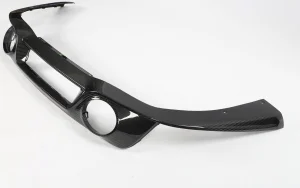
To help you visualize how these composite configurations compare across every major build metric, utilize this definitive technical breakdown before selecting your next upgrade path:
| Feature / Metric | 2X2 Twill Weave | 6K Symmetrical V-Weave |
| Visual Architecture | Continuous 45° diagonal line flow | Center-split mirrored arrowhead geometry |
| OEM Factory Compatibility | Exact match for Porsche Weissach & Manufaktur | Custom upgrade; exceeds traditional factory specifications |
| Optimal Panel Placement | Mirror caps, side skirts, fender vents, diffusers | Front hoods, full roof panels, ducktail spoilers |
| Structural Performance | High pliability; excellent multi-angle mold contouring | Superior tensile load distribution along center axis |
| Aesthetic Impression | Purist motorsport stealth; clean and understated | Bespoke hypercar styling; clear coachbuilt presence |
| Production Complexity | Standard high-end composite lay-up | Extreme; requires millimeter-perfect manual alignment |
Aerospace Manufacturing Standards: Why Pre-Preg and Autoclaves Dominate
When dealing with high-velocity platforms like the 911, the manufacturing process behind your carbon fiber is just as critical as its visual pattern. Low-grade cosmetic carbon – frequently sold online as “wet carbon” or “carbon overlays” – presents a serious structural liability.
| COMPOSITE MANUFACTURING STAGES | |
| Process Stage | Engineering Action & Objective |
| 1. Pre-Preg Lay-up | Locks uniform resin-to-fiber ratio before placing in mold |
| 2. Vacuum Bagging | Removes microscopic air pockets between composite layers |
| 3. Autoclave Curing | Uses heat & high pressure to maximize density and strength |
The Flaws of Wet Carbon
Wet carbon is manufactured by manually brushing liquid epoxy resin into a fiberglass-backed mold. This artisanal guesswork leaves behind pocketed air bubbles and thick, inconsistent pools of heavy resin. Under the immense aerodynamic downforce generated at speeds above 130 mph, wet carbon components can warp, vibrate, or flex. Over time, the high resin content makes the part brittle, leading to spiderweb fractures in the clear coat and a permanent yellowish discoloration caused by UV exposure.
The OG Carbon Standard
To guarantee that our components can withstand track-level velocity, every piece in the OG Carbon catalog is manufactured using Pre-Preg (Dry) Carbon Fiber and cured inside a high-pressure composites autoclave.
By utilizing carbon fabric that has been machine-infused with an exact, optimized resin ratio before it ever touches the mold, we eliminate all excess weight. Inside the autoclave, the combination of intense heat and atmospheric pressure forces out any lingering microscopic air bubbles, compressing the layers into an incredibly dense, rigid structural matrix.
This aerospace-grade consolidation ensures that our gap lines remain razor-thin, perfectly stable under extreme thermal cycles, and completely free from weave distortion or structural drift over years of hard driving.
The Clear Coat Challenge: Safeguarding the Three-Dimensional Grid
The ultimate beauty of a carbon fiber panel is determined by the quality of its transparent protective layer. Without a premium clear coat, the sun’s ultraviolet rays will rapidly degrade the underlying epoxy resin, leading to clouding, milkiness, and delamination.
Every component we produce is treated with a specialized PPG transparent acrylic clear coat system. This industrial lacquer functions as an optical lens, magnifying the individual carbon filaments underneath while providing maximum UV protection.
| PPG UV-Resistant Clear Coat Layer | Blocks UV radiation, adds deep mirror gloss |
| Autoclave-Consolidated Carbon Grid | High-density 6K weave fibers |
For owners who prefer a stealthy, understated look that coordinates perfectly with modern Porsche solid paint options (such as Arctic Grey or Chaulk), a satin/matte finish is highly recommended. Satin clear coats diffuse incoming light rather than reflecting it directly, highlighting the complex geometry of the weave without creating bright hot-spot reflections.
For maximum depth and a traditional exotic look, a high-Gloss finish remains the gold standard, producing a mirror-like finish that accentuates the alternating light patterns of a 6K V-weave.
The Final Verdict: How to Choose Your Next Upgrade Pathway
When planning the next phase of your 911 build, deciding between 2×2 Twill and a Symmetrical V-Weave should be guided by a clear aesthetic strategy.
When to Select 2X2 Twill
Choose 2×2 Twill if your primary goal is absolute OEM+ integration. If your vehicle already features factory-installed options like a carbon fiber roof, carbon mirror housings, or interior Weissach packages, sticking with a premium 6K 2×2 Twill ensures that every new exterior add-on feels like an intentional continuation of the factory build sheet. It is the perfect configuration for lower-horizon grounding elements like front spoilers, extended side skirts, and rear diffusers.
When to Select Symmetrical V-Weave
Select a Symmetrical V-Weave if you are updating a primary, prominent focal surface and want to establish a distinct, coachbuilt character. Replacing a standard painted hood or adding a custom ducktail spoiler in a mirrored 6K Chevron configuration breaks the visual monotony of a factory silhouette. It serves as an explicit declaration of custom refinement, immediately distinguishing your car from standard production models at any car gathering or track event.
No matter which path aligns with your style, maintaining structural purity and ordering direct-fit, autoclave-cured panels ensures that your modifications protect your asset’s value while providing an unmatched visual presence on the asphalt.
Frequently Asked Questions (FAQ)
Can I mix 2×2 Twill and V-Weave components on the same vehicle?
Yes, provided it is done strategically. The most successful builds utilize 2×2 Twill for the lower perimeter components (front splitters, side skirts, and rear diffusers) to maintain a clean, factory-correct look along the ground, while reserving the dramatic Symmetrical V-Weave for central upper panels like the front hood or a rear ducktail spoiler. This creates a clear visual hierarchy without causing a chaotic pattern clash.
Does the larger scale of a 6K weave weaken the structural component?
No. In automotive aerodynamic body applications, a 6K pre-preg weave offers exceptional structural rigidity and tensile strength. Because it is cured under high pressure inside an autoclave, the consolidation of the carbon strands eliminates structural weak points, providing a panel that is significantly stronger and lighter than the factory aluminum or plastic pieces it replaces.
How can I verify that an aftermarket carbon piece will match my factory Porsche weave angle?
Factory Porsche Exclusive Manufaktur exterior components universally utilize a 45-degree diagonal running pattern. At OG Carbon, our product development team uses precise laser alignment tools during the pre-preg fabric cutting phase to ensure that our 2×2 Twill components match this exact 45-degree factory bias, ensuring a seamless visual flow from panel to panel.
Are You Ready to Synchronize Your Build?
Don’t let clashing aftermarket patterns dilute the visual impact of your 911.
Explore the engineering-grade options available online. Discover the direct-fit, highest-quality, autoclave-cured collection at the OG Carbon 992 Shop today, or connect with our technical design team to discuss pattern synchronization for your vehicle.Questions, queries, or concerns? Or just want to chat with professionals? Reach out to the experts behind OG Carbon – they’ll take great care of you.