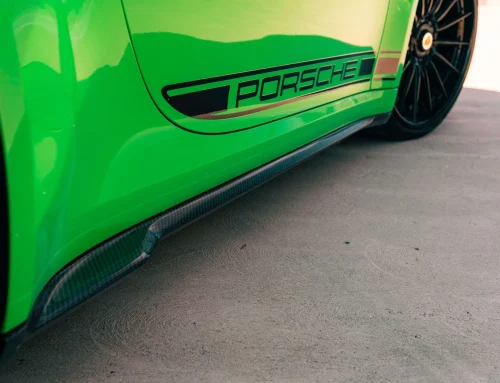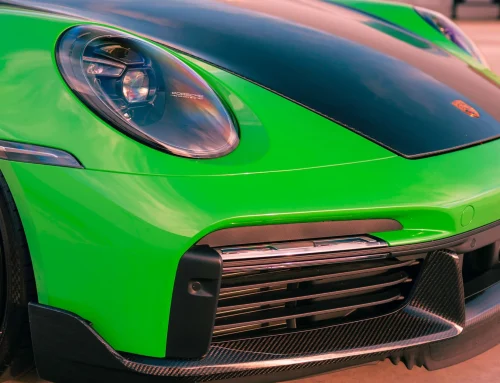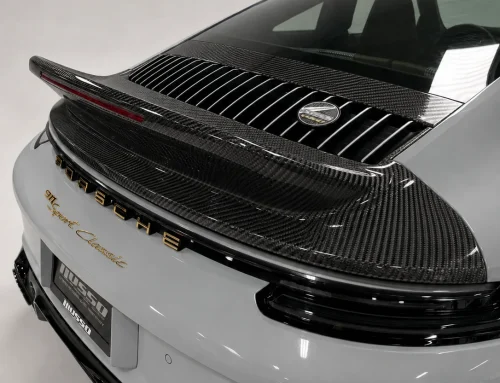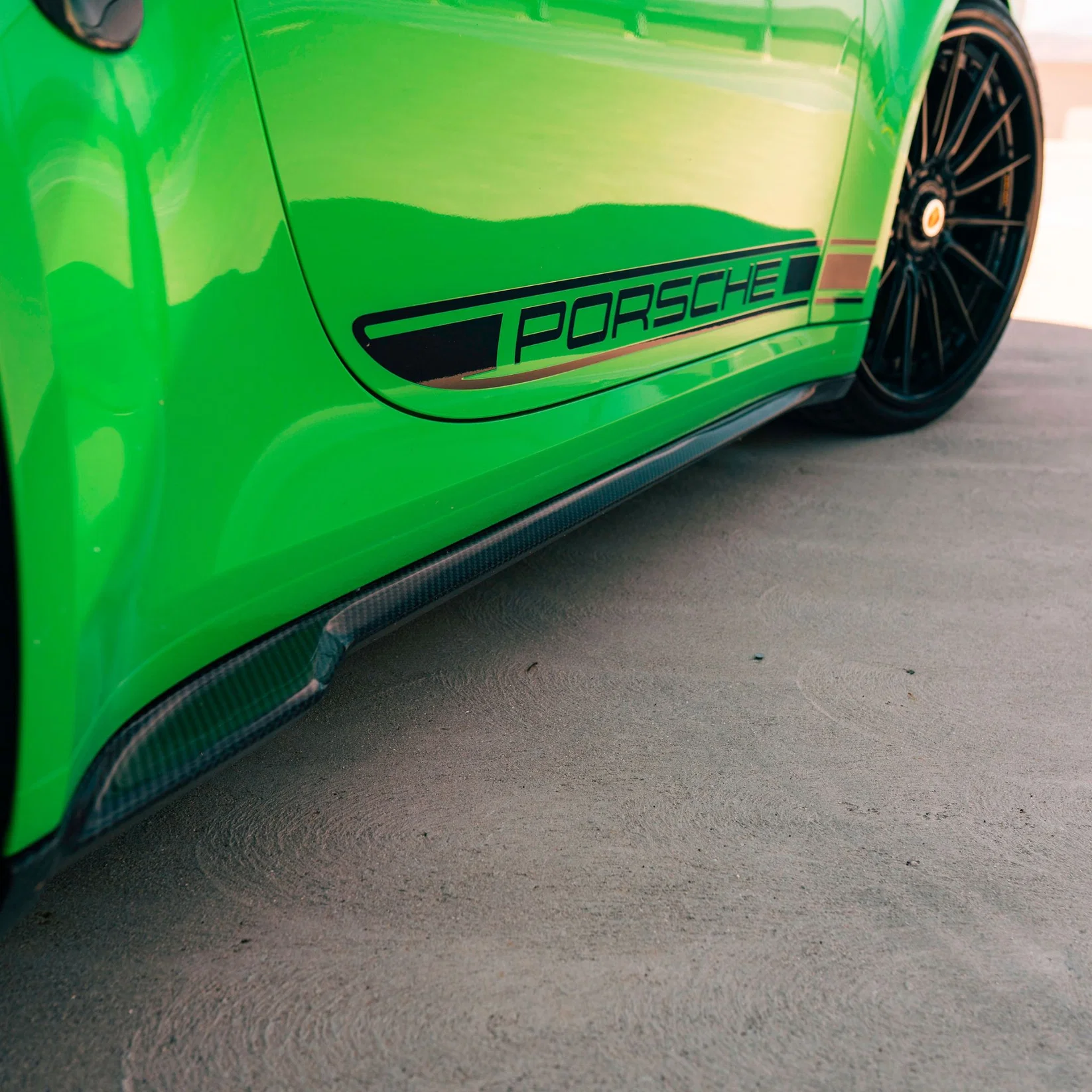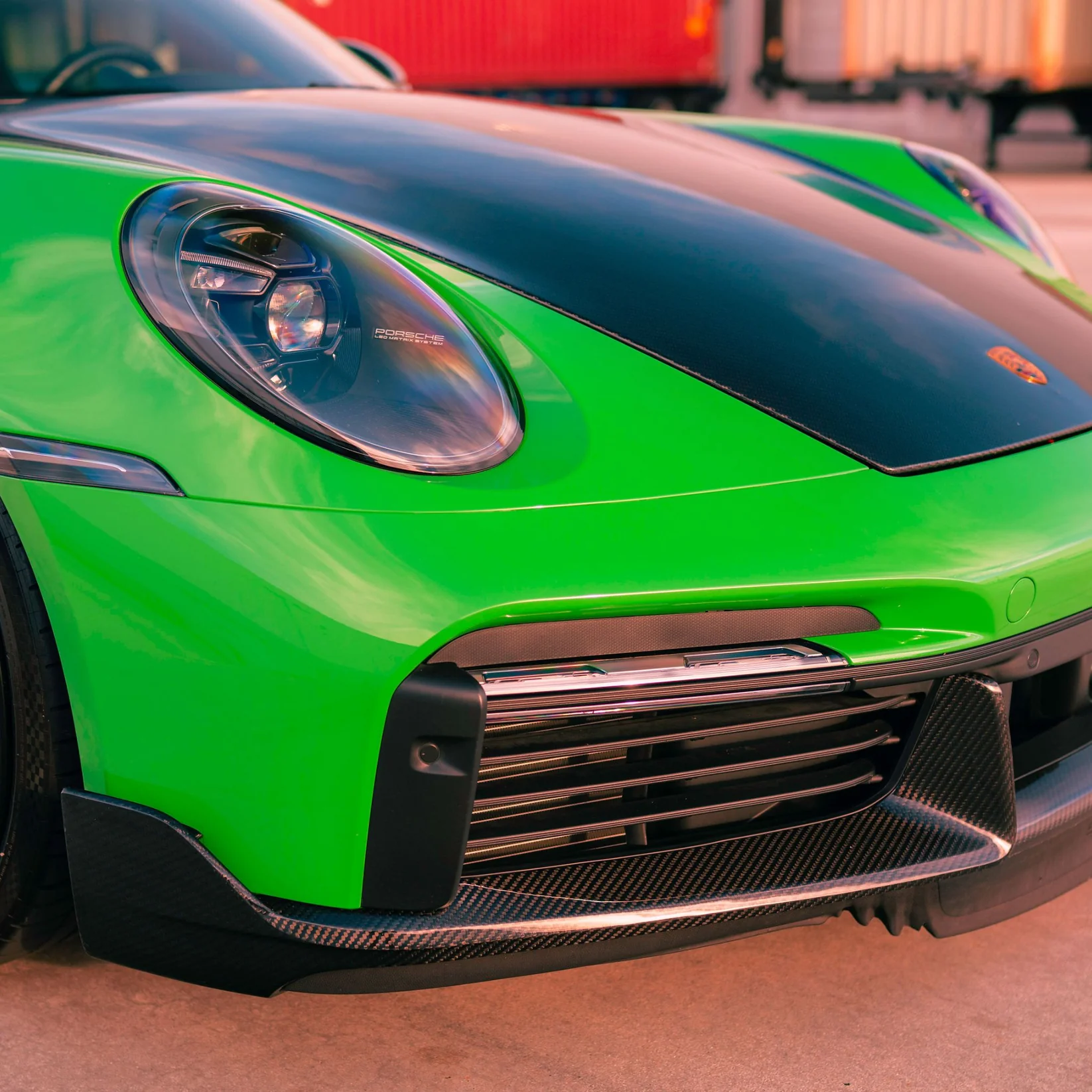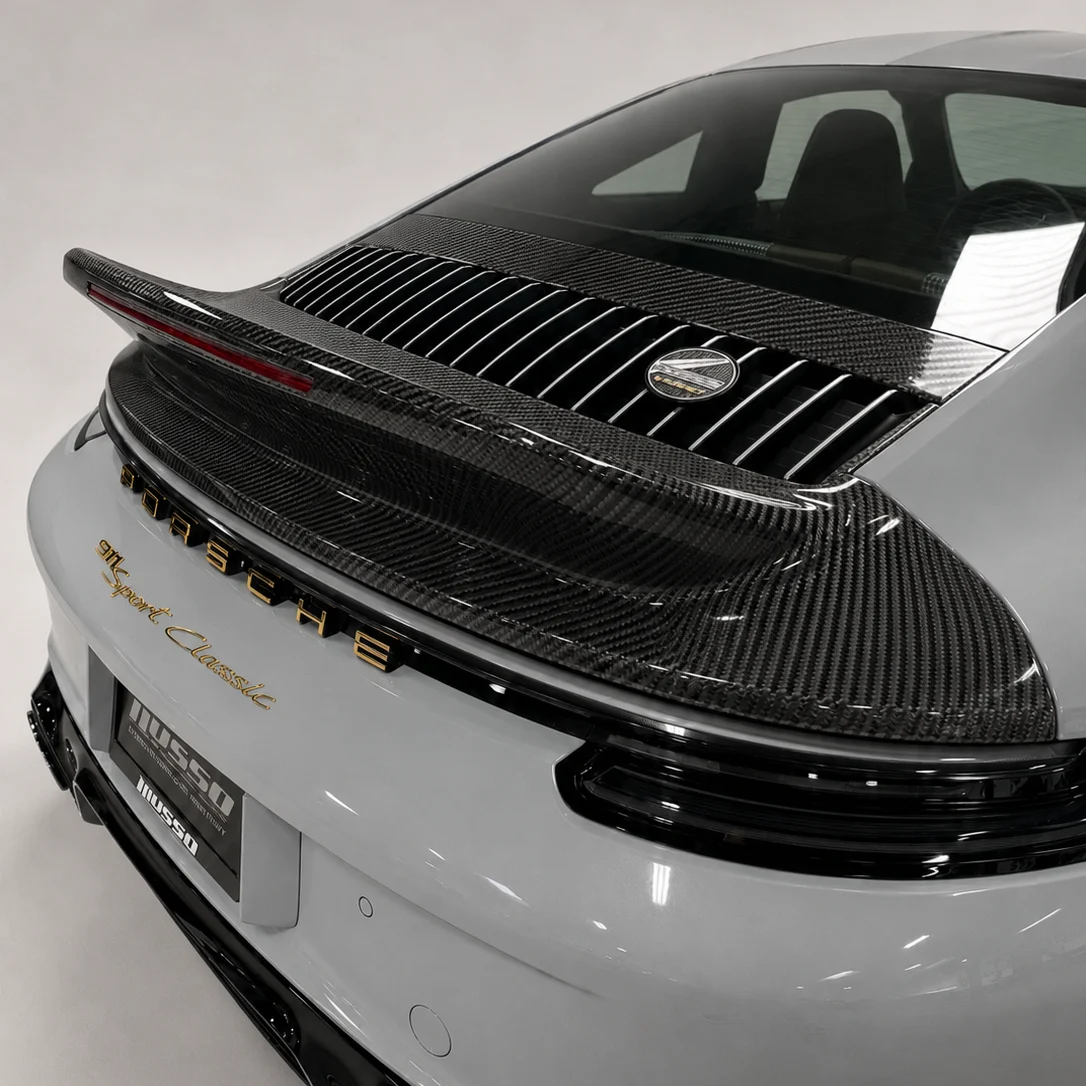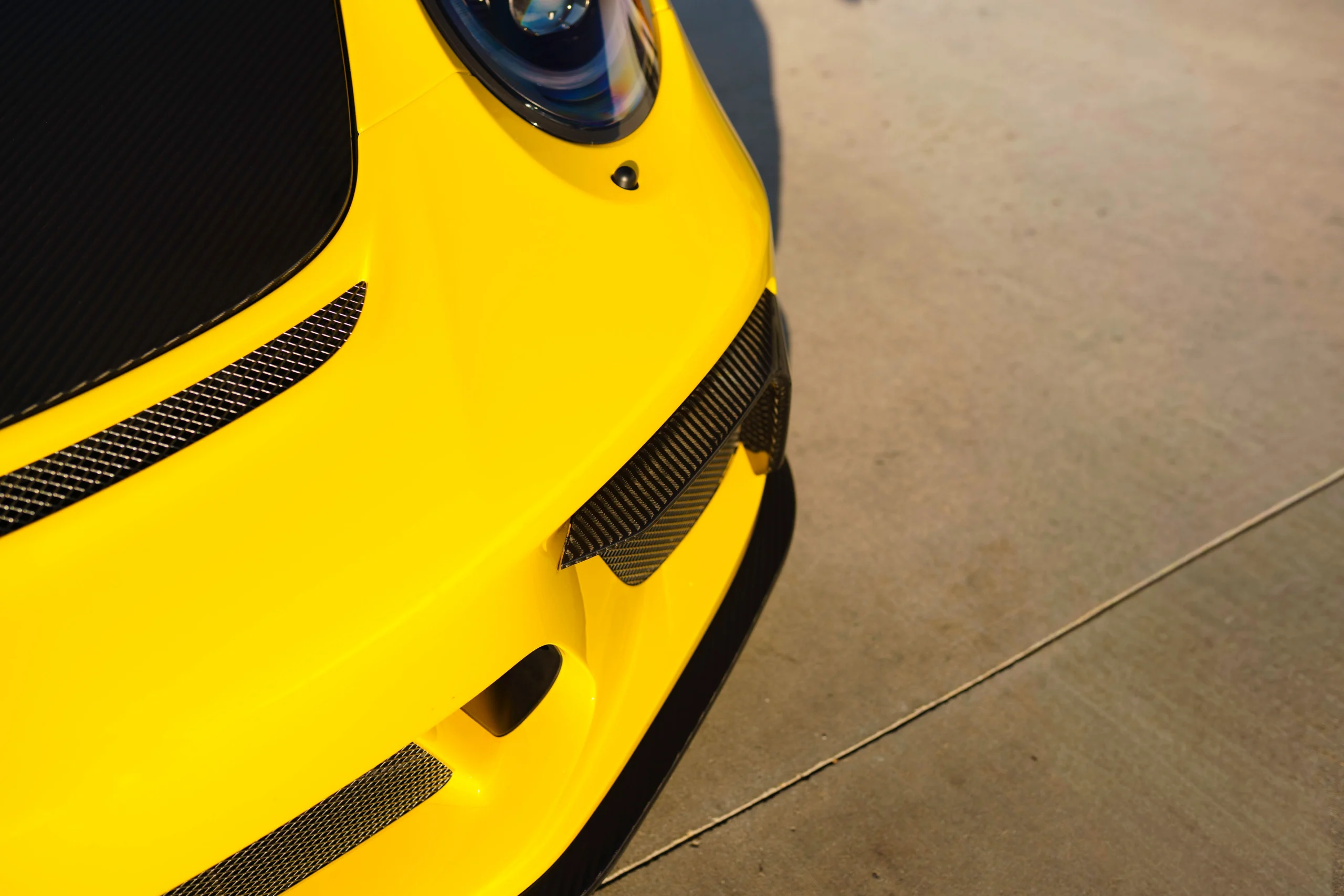
There is an indisputable gravity to modifying a Porsche. Whether you pilot a daily-driven 992 Carrera S, a track-focused 991 GT3, or a twin-turbocharged 718 Cayman GT4 Weissach, every component installed on your vehicle either elevates its engineering benchmark or compromises it.
In the automotive aftermarket, carbon fiber remains the premier material for achieving simultaneous weight reduction, structural rigidity, and aggressive track aesthetics. However, the composite market is notoriously opaque. Bumper-to-bumper price variances of several thousand dollars often leave owners asking critical questions before making an investment.
To de-risk your upgrade path, the OG Carbon team have compiled the seven most critical, high-stakes technical questions Porsche owners ask on Rennlist, 6speedonline, and at track events nationwide – delivering straight-shooting, physics-backed answers.
Question 1: Will an Aftermarket Carbon Hood Ruin My Factory Panel Gaps?
The single largest anxiety Porsche owners face when considering composite body panels is the threat of uneven panel gaps. Porsche’s factory manufacturing tolerances in Zuffenhausen are exceptionally tight, maintaining uniform hood-to-fender gap distances under 3.5mm.
| PANEL GAP & TOLERANCE COMPARISON | ||
| PARAMETER | CHEAP WET LAYUP / HAND FAB | OG CARBON AUTOCLAVE PRE-PREG |
| Molding Method | Hand-poured / Wet Resin | CNC Aluminum / Laser Scanned |
| Curing Pressure | 1 Bar (Atmospheric) | 6 Bar (Autoclave Pressure) |
| Thermal Shrinkage | 2.0% – 4.0% (Uncontrolled) | < 0.1% (Controlled Matrix) |
| Panel Gap Variance | 5.0mm – 8.0mm (Uneven) | < 3.5mm (Exact OEM Match) |
The Root Cause of Misalignment
Uneven panel gaps are rarely caused by poor installation; they are baked into the component during manufacturing. Traditional “wet carbon” or hand-layup fiberglass composites rely on polyester or low-cost epoxy resins poured over dry fiber sheets inside flexible silicone molds.
As the wet resin cures in open air over 24 to 48 hours, it undergoes uncontrolled exothermic thermal contraction. The panel shrinks, bows, and warps non-uniformly. When installed, one corner lifts while the opposite edge rubs directly against your factory paint.
Speaking of resin – check out the OG Carbon blog on the science behind tinted carbon fiber.
The OG Carbon Solution
Eliminating panel gap issues requires digital precision and controlled thermal dynamics:
- 3D Laser-Scanned Chassis Metrology: OG Carbon captures factory Porsche chassis, hood latch assemblies, and hinge geometric points using industrial-grade 3D laser scanners accurate down to 0.05mm (50 microns).
- CNC-Machined Tooling: Molds are cut from solid blocks of high-density billet aluminum, ensuring zero flex or dimensional shift during heat cycling.
- Autoclave Curing: By utilizing 100% pre-impregnated (pre-preg) carbon fiber cured at 300°F under 6 bar (approx. 87 psi) of pressure, atmospheric void content is eliminated. Thermal shrinkage is restricted to under 0.1%, guaranteeing that your factory hood-to-fender and hood-to-bumper tolerances remain identical to OEM specifications.
Question 2: Why Do Some Carbon Hoods Flutter or Vibrate Above 130 mph?
If you take your Porsche to high-speed track sessions or run extended sessions at the Autobahn, or Nürburgring, high-speed aerodynamic stability is a non-negotiable safety requirement. A common phenomenon reported with low-cost aftermarket carbon hoods is “hood flutter”—a rapid, violent vertical oscillation that occurs at speeds exceeding 120–130 mph.
Aerodynamic Lift Dynamics
At elevated speeds, high-pressure air entering through the front bumper cooling ducts and radiator cavities creates immense upward pneumatic lift inside the front trunk (frunk) well.
Cheap carbon hoods cut manufacturing costs by utilizing a thin, single-skin outer carbon sheet bonded to a soft, flexible fiberglass inner frame. Under heavy dynamic lift forces, the panel lacks the torsional rigidity required to resist deformation.
The hood flexes, breaks its perimeter seal, and begins to flutter rapidly. Left unchecked, this cyclic fatigue can shatter mounting hinges or tear the latch striker clean off the composite subframe, sending the hood through the windshield.
Check out the OG Carbon blog on Porsche Aerodynamics.
Engineering Torsional Rigidity
OG Carbon engineers eliminate high-speed flutter by manufacturing a dual-skin, 100% autoclave dry carbon structure:
- Monocoque Inner Bracing: The inner structural frame is molded from structural pre-preg carbon fiber that mirrors the geometry and cross-sectional inertia of factory Porsche aluminum hoods.
- Integrated Structural Latch Plates: The primary hood latch striker and secondary safety hook retainers are reinforced with embedded 6061-T6 billet aluminum plates layered directly into the carbon weave matrix during layup. This distributes high-speed lifting forces across the entire width of the frame rather than concentrating stress on a isolated composite joint.
Question 3: Can I Daily-Drive a Carbon Hood in Heavy Rain Without Leaking?
A major point of frustration for Porsche owners who daily-drive their cars – or take them through high-pressure touchless car washes, is water intrusion into the front luggage compartment.
Gutter Channel Geometry & Weatherstrip Alignment
The front luggage bay (or Frunk) on Porsche 911, Boxster, and Cayman models houses delicate electronic control modules, amplifier wiring harnesses, brake fluid reservoirs, and personal luggage.
Factory aluminum hoods incorporate a deeply recessed perimeter gutter flange designed to compress the factory rubber weatherstripping uniformly.
Budget composite manufacturers frequently flatten or simplify this inner perimeter flange to save hand-layup labor and reduce mold tooling complexity.
Without exact flange depth and radius angles, the factory rubber weatherstrip fails to achieve positive seal contact. Torrential rain, wash water, and ambient road spray pass directly over the channel and pool in your frunk.
The Weather-Sealed Guarantee
Every OG Carbon front lid is molded using exact CAD-extracted flange profiles:
- OEM Gasket Engagement: The inner lip matches original Porsche weatherstrip compression metrics to the millimeter.
- Functional Drainage Channels: For GT3 RS-style vented hoods featuring functional NACA ducts or hood extraction vents, internal rain collector trays and drain channels route water away from critical electronic modules and discharge it safely down the inner fender liners.
Question 4: How Do I Prevent UV Yellowing, Haze, and Rock Chips?
The optical clarity of exposed carbon fiber is its defining visual characteristic.
However, many Porsche owners have seen low-end carbon wings, hoods, and side intakes turn a cloudy, sickly shade of yellow or suffer from peeling clear coat within 12 to 18 months of sun exposure. Particularly in bright and sunny environments in the desert southwest of Phoenix, Scottsdale, Palm Desert and Southern California. As well as in Texas, Florida, Utah and Colorado.
| UV RESISTANCE & CLEAR COAT MATRIX | ||
| COATING TYPE | RESIN / GEL COAT | PPG AUTOMOTIVE/MARINE CLEAR |
| Composition | Polyester / Epoxy Resin | Catalyzed Urethane + UV |
| Sun Exposure Limit | 6 – 12 Months (Degrades) | Lifetime Multi-Year Stability |
| Refinishing | Cannot be easily polished | Can be cut, buffed, & PPF’d |
| Thermal Resistance | Softens under high heat | Stable above 250°F |
Gel Coat vs. Automotive-Grade UV Clear Coatings
The culprit behind yellowed carbon fiber is un-catalyzed resin or gel coat.
Most aftermarket manufacturers finish carbon components using an outer layer of clear polyester gel coat. Polyester gel coat lacks molecular UV stabilizers; under constant exposure to direct solar radiation, the polymer bonds break down, causing the finish to haze, yellow, and oxidize.
The Marine-Grade Finish Standard
OG Carbon completely bypasses low-grade gel coats. Once components emerge from the autoclave, they undergo a multi-stage finishing process:
- Surface De-Gassing: Components are baked in a controlled oven environment to remove any residual micro-gasses from the matrix.
- PPG Deltron High-Solid UV Clear Coat: The carbon is spray-finished with 3 to 4 coats of premium PPG automotive/marine-grade clear coat enriched with high-density chemical UV inhibitors.
- PPF & Ceramic Compatibility: Because OG Carbon uses catalyzed automotive paint technology, our carbon fiber surfaces can be wet-sanded, polished to a mirror finish, ceramic coated, or wrapped with Paint Protection Film (PPF) just like your factory paint finish.
Question 5: Does Replacing an Aluminum Hood Affect Airbag Sensors or Safety?
Modern Porsche chassis incorporate sophisticated passive safety systems, including front impact accelerometers, pedestrian protection system pop-up hinges, and multi-stage front airbag deployment sensors. A frequent safety concern among street and track drivers is whether swapping a factory metal lid for a composite panel will disrupt airbag timing during an impact.
Engineering Fact: Porsche crash sensors do not measure hood panel deformation. Front airbag activation is governed by chassis-mounted micro-electro-mechanical systems (MEMS) accelerometers located on the main structural frame rails and suspension turrets.
Crash Energy Absorption
Factory aluminum hoods are engineered with specific crumple notches designed to fold the panel in half during a head-on collision, preventing the hood from driving through the windshield into the passenger cabin.
Cheap wet-layup composite panels reinforced with dense fiberglass layers behave unpredictably during a collision. They tend to shear off their mounting bolts, acting as a massive rigid blade driven toward the glass.
Autoclave-cured dry carbon fiber behaves fundamentally differently under high-velocity impact:
- Energy Dissipation Through Delamination: Upon severe impact, dry pre-preg carbon fiber undergoes controlled micro-fracturing and interlaminar delamination. The kinetic energy is absorbed by shattering the matrix into small micro-splinters rather than buckling as a single rigid sheet.
- Retained Safety Hinges: OG Carbon panels retain factory mounting geometry, preserving designed sheer-point characteristics so that safety latches and hinges perform their intended mechanical function under emergency conditions.
Check out the OG Carbon blog on Porsche preservation through modification.
Question 6: Can a Body Shop Paint Dry Carbon to Match PTS (Paint to Sample)?
While many owners prefer the raw visual intensity of exposed 2×2 or 3k twill carbon fiber, purists often prefer a subtle OEM+ aesthetic.
They want the weight savings of carbon fiber, but want the exterior painted in their exact factory shade – such as GT Silver Metallic, Oak Green Neo, or a custom Paint to Sample (PTS) color, while leaving subtle accents (like NACA ducts or underline borders) in exposed weave.
| PAINT PREPARATION & BARKING COMPARISON | ||
| ISSUE | WET LAYUP COMPOSITE | OG CARBON DRY PRE-PREG |
| Matrix Porosity | Micro-pinholes in resin | Zero-porosity autoclave seal |
| Paint Bleed/Telegraph | High (“Ghost Weaving”) | Zero weave telegraphing |
| Bake Oven Stability | Off-gasses at 140°F | Stable up to 300°F |
Eliminating “Ghost Weaving”
If you have ever seen a painted aftermarket carbon hood where the square checkerboard texture of the carbon weave bleeds through fresh topcoat months after painting, you have witnessed “ghost weaving” or “printing.”
Ghost weaving occurs because low-grade wet resin never fully cures. When a professional paint shop places the panel in a paint spray booth bake oven at 140°F–150°F, the uncured wet resin matrix begins to off-gas and expand underneath the fresh paint primer.
Weeks later, as the paint fully cures and shrinks, it pulls into the micro-cavities between the fibers, permanently ruining the smooth paint finish.
The Pre-Preg Painting Advantage
Autoclave dry carbon is the gold-standard for high-end automotive paint facilities:
- Fully Reacted Polymer Matrix: Because OG Carbon panels are fully cured at 300°F under high atmospheric pressure during production, the polymer matrix is completely inert. It will not off-gas, expand, or shrink inside paint bake booths.
- Flawless Masked Transitions: Body shops can easily prep, prime, sand, and paint OG Carbon components. Sharp, razor-clean tape lines can be pulled between PTS paint sections and exposed carbon weave panels without paint bleed or edge-lifting.
Question 7: Will Installing Carbon Fiber Body Panels Void My Porsche Warranty?
Preserving factory and Certified Pre-Owned (CPO) warranty coverage is paramount for owners of late-model 991, 992, and 718 vehicles. A persistent myth in automotive communities is that installing any aftermarket component instantly voids your vehicle’s bumper-to-bumper warranty.
The Legal Framework: Magnuson-Moss Warranty Act
In the United States, consumer protections are legally defined by the Magnuson-Moss Warranty Act of 1975 (15 U.S.C. § 2302). Under federal law, an automotive dealership or manufacturer cannot deny warranty coverage on a failed component unless they can legally prove that the specific aftermarket part directly caused or contributed to the failure.
What This Means For Your Porsche
Installing a bolt-on carbon fiber hood, fender set, or rear wing does not void your Porsche factory engine, PDK transmission, or electrical system warranty:
- Non-Invasive Installation: OG Carbon components utilize original factory mounting points, hinges, and latches. No factory wiring harnesses are cut, no ECU software code is modified, and no structural chassis subframes are altered.
- 100% Reversible: Should you ever decide to return your vehicle to original stock specification prior to lease return or sale, the carbon panels can be unbolted and replaced with your original factory aluminum components without leaving a trace.
Demand Autoclave Performance for Your Porsche
Upgrading your Porsche with carbon fiber should never involve compromising on factory panel gaps, dealing with high-speed hood flutter, or risking painted surface degradation.
By insisting on 100% autoclave-cured pre-preg dry carbon fiber engineered from 3D laser-scanned factory data, you secure the weight savings and track aesthetics you want alongside the precise fitment your Porsche deserves.
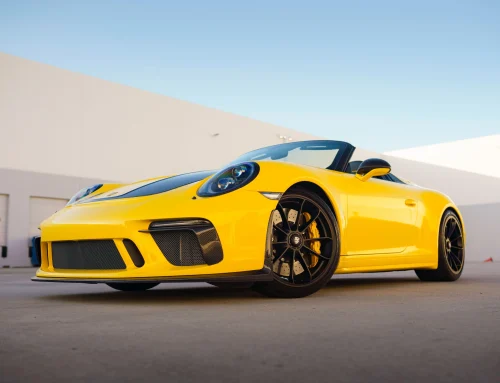
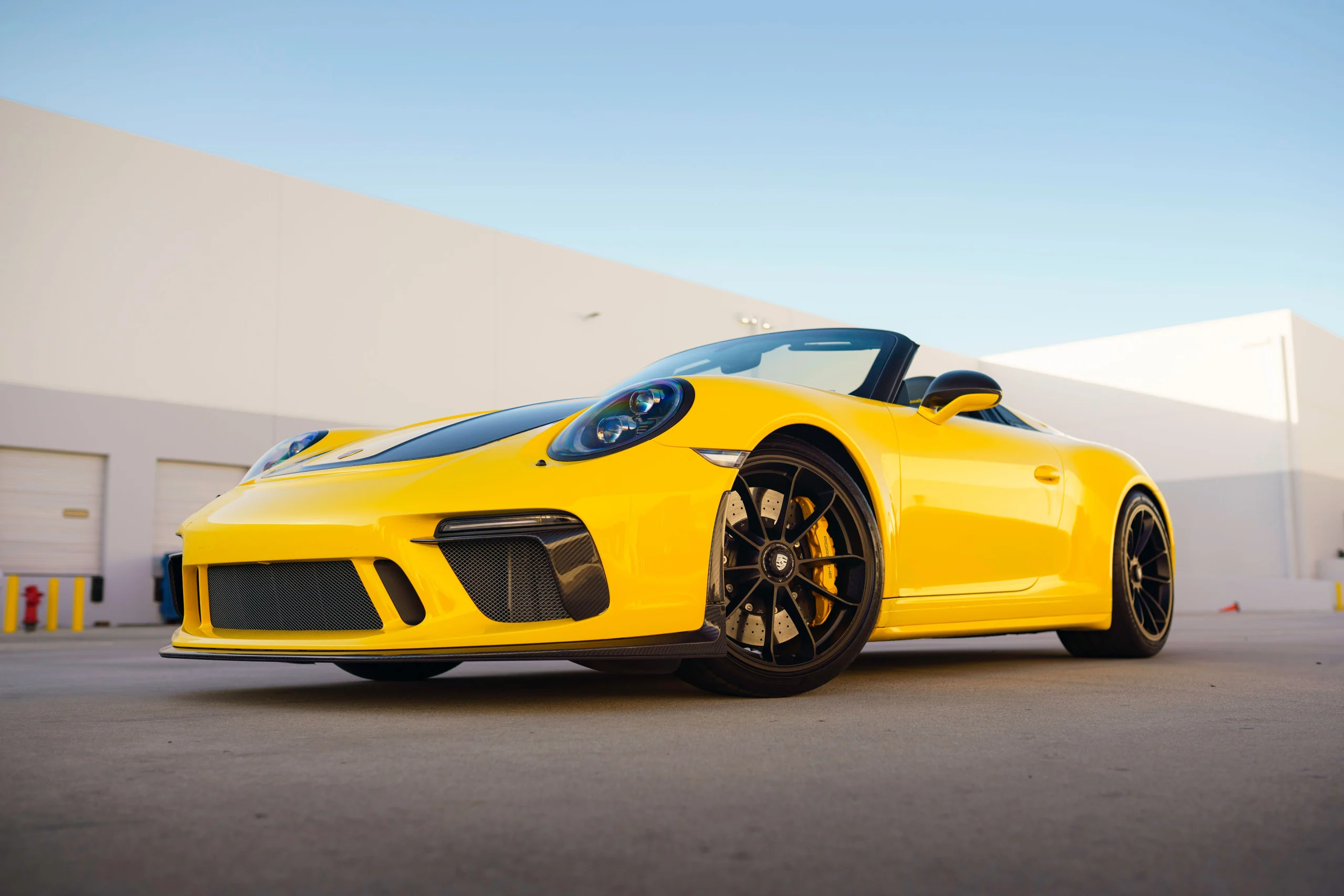
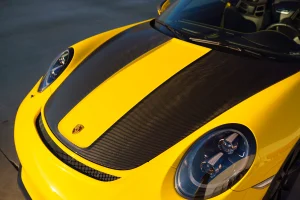
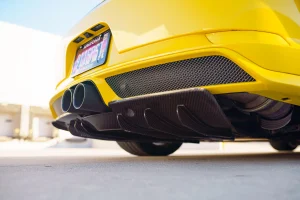
Whether you are preparing a 992 GT3 RS-style front conversion, shedding sprung weight on a track-driven Cayman GT4 or 992 Turbo S, or executing a custom PTS paint project, OG Carbon provides the technical authority and engineering precision required for high-end builds. Please view our gallery of photos on the 991.2 Speedster hood with both exposed carbon fiber and painted (Speed Yellow) sections.
Have Questions About Fitment, Weave Options, or Lead Times?
Contact the experts at OG Carbon to discuss custom weave patterns, V-weave alignments, and platform-specific fitment for your Porsche.
Check out the OG Carbon catalogue – for discerning Porsche owners who know the difference.